Ready to transform your front door from ordinary to extraordinary? Crafting a DIY wreath is a fantastic way to add personality, seasonal charm, and a touch of homemade warmth to your home. This guide will walk you through every step, from gathering materials to hanging your finished masterpiece, ensuring a fun and rewarding experience for crafters of all skill levels.
Whether you’re aiming for a vibrant spring welcome, a cozy autumn embrace, or a festive winter greeting, we’ll cover essential materials, techniques, and design ideas. You’ll learn about different wreath bases, greenery options, embellishments, and the secrets to creating stunning, long-lasting wreaths that reflect your unique style. Let’s get crafting!
Gathering Materials for Your DIY Front Door Wreath
Creating a beautiful DIY wreath starts with gathering the right materials. This section will guide you through the essential supplies, alternative options, and considerations for choosing the best components for your project. Careful selection of materials will significantly impact the final appearance, durability, and overall aesthetic of your wreath.
Essential Materials for a Basic Wreath
To begin, you’ll need a core set of materials. Here’s a detailed list:
- Wreath Base: Choose a base based on your desired look and the type of greenery you plan to use. (See the section on Wreath Base Types for more details).
- Greenery: This could be artificial, fresh, or dried. Consider the season, your personal style, and the longevity you desire. For a standard 24-inch wreath, you’ll likely need several bunches or stems, depending on the fullness you want.
- Floral Wire: Used to attach the greenery to the wreath base. 22-gauge floral wire is a good general-purpose choice. You’ll need a spool or a substantial amount, depending on the size of your wreath and the complexity of your design.
- Wire Cutters: Essential for cutting floral wire.
- Scissors or Floral Snips: For trimming greenery.
- Optional Embellishments: Ribbons, berries, pinecones, ornaments, or other decorative elements to personalize your wreath. The quantity depends on the desired level of embellishment.
- Hot Glue Gun and Glue Sticks (optional): Useful for securing embellishments.
Wreath Base Types
The wreath base provides the foundation for your creation. The choice of base significantly influences the overall look and feel of your wreath.
- Grapevine Wreath: A classic and versatile choice. Grapevine bases offer a rustic, natural look. The gaps between the vines make it easy to insert stems and wire greenery.
- Pros: Natural look, easy to work with, readily available, relatively inexpensive.
- Cons: Can be slightly fragile, the irregular shape may require more greenery to achieve fullness.
- Straw Wreath: Often used for fresh greenery wreaths. Straw bases provide a sturdy foundation and readily absorb water, helping to keep fresh greenery hydrated.
- Pros: Excellent for fresh greenery, provides good water retention, relatively inexpensive.
- Cons: Can be messy to work with, not ideal for extremely heavy decorations, may require a backing to prevent the straw from showing.
- Foam Wreath: Available in various types, including floral foam and Styrofoam. Foam bases are ideal for artificial greenery and can accommodate a variety of attachments, including pins and glue.
- Pros: Lightweight, easy to customize, can be used with a variety of materials.
- Cons: Can be less durable than other options, requires careful handling to avoid crumbling, the appearance may not be as natural.
- Metal Wreath Frame: Provides a modern and minimalist look. Often used with wire to attach greenery or other decorative elements.
- Pros: Durable, allows for creative designs, can be reused.
- Cons: Can be more difficult to work with, requires more precise attachment methods.
Alternative Materials
Experimenting with alternative materials can add a unique touch to your wreath and broaden its aesthetic appeal. Consider these options:
- Fabric: Use fabric scraps or strips to wrap the wreath base or create fabric flowers and embellishments. This offers a wide range of color and texture options.
- Dried Flowers and Seed Pods: Combine dried flowers with traditional greenery for a textured and long-lasting wreath. Seed pods can add interesting shapes and focal points.
- Paper: Create paper flowers, leaves, or other decorations for a whimsical or modern wreath. This can be a cost-effective and eco-friendly option.
- Natural Twigs and Branches: Gather twigs and branches from your yard to create a rustic, natural base or add texture and interest to your design.
The use of alternative materials will impact the aesthetic and durability of the wreath. For instance, a wreath made primarily of paper flowers will be less weather-resistant than one made with artificial greenery. Choose materials that align with your desired aesthetic and the intended location of your wreath (e.g., sheltered versus exposed to the elements).
Greenery Comparison: Artificial, Fresh, and Dried
Choosing the right type of greenery is crucial. Each type has distinct advantages and disadvantages.
| Greenery Type | Advantages | Disadvantages |
|---|---|---|
| Artificial |
|
|
| Fresh |
|
|
| Dried |
|
|
Selecting and Preparing Greenery and Embellishments
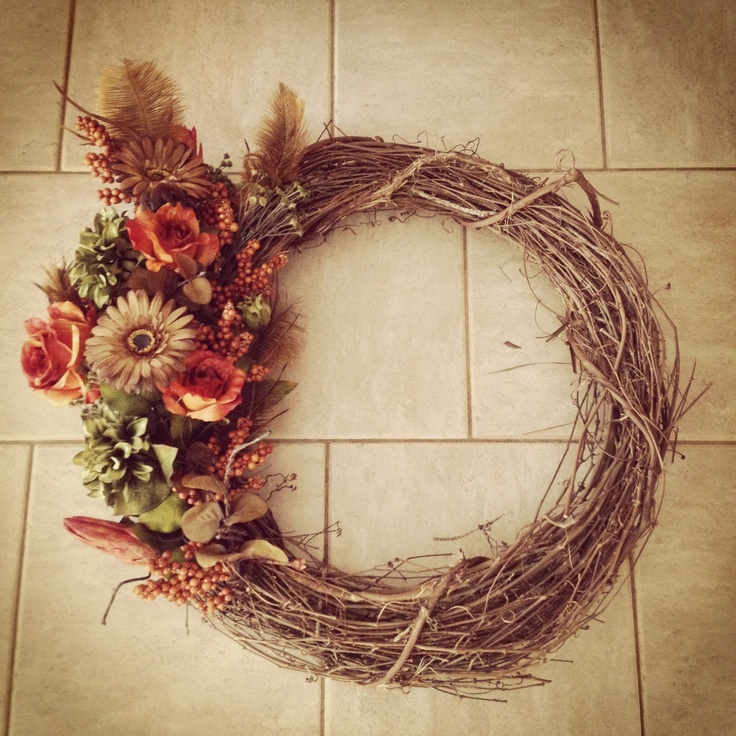
Now that you’ve gathered your materials, it’s time to focus on the heart of your wreath: the greenery and embellishments that will bring it to life. Proper preparation of these elements is crucial for both the aesthetic appeal and the longevity of your finished product. This section will guide you through selecting, preparing, and attaching these components to create a stunning and durable front door wreath.
Preparing Fresh Greenery for Longevity
Using fresh greenery is a fantastic way to add natural beauty and fragrance to your wreath. However, fresh greenery wilts over time, so proper preparation is essential to extend its lifespan.Here’s how to prepare your fresh greenery for wreath-making:* Harvesting or Purchasing: If harvesting greenery, choose branches that are healthy and free from disease or pests. If purchasing, opt for fresh-looking greenery from a reputable source.
Hydration
Immediately after cutting or purchasing, hydrate the greenery. Submerge the cut ends of the branches in a bucket of cool water for several hours, or ideally overnight. This helps them absorb water and stay hydrated.
Pruning and Shaping
Once hydrated, prune the branches to your desired length and shape. Remove any leaves or needles from the lower portion of the stems that will be inserted into the wreath base. This prevents them from rotting and keeps the base clean.
Preservation (Optional)
For longer-lasting results, consider using a floral preservative solution in the water. Alternatively, you can lightly mist the greenery with an anti-transpirant spray, which helps reduce water loss.
Storage
If you’re not assembling the wreath immediately, store the prepared greenery in a cool, dark place, such as a refrigerator or a cool basement, until you’re ready to use it.Remember, proper hydration and preparation can significantly extend the life of your fresh greenery wreath, allowing you to enjoy its beauty for weeks.
Choosing and Arranging Embellishments
Embellishments add personality and visual interest to your wreath. Selecting and arranging them thoughtfully is key to creating a cohesive and attractive design.Here’s how to choose and arrange your embellishments:* Consider the Season and Style: The season and the overall style you’re aiming for will guide your choices. For example, a Christmas wreath might include ornaments, berries, and a festive ribbon, while a spring wreath might feature flowers, butterflies, and pastel colors.
Variety of Textures and Sizes
Incorporate a variety of textures and sizes to add visual depth and interest. Mix smooth ornaments with rough pinecones, large bows with small berries, and glossy ribbons with matte elements.
Color Palette
Establish a color palette and stick to it. This will help create a unified look. Consider using complementary colors, analogous colors, or a monochromatic scheme.
Focal Point
Decide on a focal point for your wreath, such as a large bow, a cluster of ornaments, or a prominent floral arrangement. Arrange other embellishments around the focal point to draw the eye and create balance.
Asymmetrical Balance
Avoid placing embellishments symmetrically. An asymmetrical arrangement is often more visually appealing and dynamic. Distribute elements unevenly to create a sense of movement and interest.
Layering
Layer embellishments to add depth. For example, you could place a large bow behind a cluster of ornaments or tuck sprigs of greenery among the embellishments.By carefully considering these factors, you can create a wreath that is both visually stunning and reflects your personal style.
Preparing and Securing Embellishments
Once you’ve chosen your embellishments and planned their arrangement, it’s time to prepare them for attachment to the wreath base. Proper preparation ensures that your embellishments are securely fastened and look their best.Here’s how to prepare and secure your embellishments:* Gathering Tools: Have your tools readily available: wire cutters, floral wire, hot glue gun, and any other necessary supplies.
Wiring Embellishments
For ornaments, pinecones, and other embellishments, use floral wire to create a secure attachment point. Wrap the wire around the item, twisting it tightly to form a loop or a stem.
Using Hot Glue
Hot glue is excellent for attaching lightweight embellishments like berries, small ornaments, and fabric accents. Apply a small amount of hot glue to the back of the embellishment and press it firmly onto the wreath base.
Securing Ribbons
Cut ribbon tails at an angle or a V-shape to prevent fraying. Attach ribbons using wire or hot glue, ensuring they are securely fastened.
Adding Greenery
Insert stems of greenery into the wreath base, securing them with floral wire or hot glue. Overlap the stems to create a full and lush appearance.Always be mindful of safety when using hot glue.
Common Mistakes to Avoid When Attaching Embellishments
Avoiding common mistakes is essential for a professional-looking wreath. Here are some pitfalls to watch out for:* Insufficient Attachment: Using too little glue or wire can result in embellishments falling off. Always ensure that embellishments are securely fastened.
Overcrowding
Avoid overcrowding the wreath with too many embellishments. This can make it look cluttered and visually confusing.
Poor Visual Balance
Placing all the embellishments on one side of the wreath can create an unbalanced look. Strive for an asymmetrical, balanced design.
Using Flimsy Materials
Choosing embellishments made of flimsy materials can compromise the wreath’s durability. Select high-quality materials that can withstand the elements, especially if the wreath will be displayed outdoors.
Ignoring the Base
Neglecting to consider the base when attaching embellishments can result in an unstable and unattractive wreath. Make sure the embellishments are securely attached to the base and that the base is adequately covered.
Inconsistent Color Palette
Using too many colors that don’t complement each other can make the wreath look disjointed. Stick to a cohesive color palette.
Lack of Depth
Not layering embellishments can make the wreath appear flat. Incorporate elements of varying sizes and textures to add depth and visual interest.
Ignoring Scale
Using embellishments that are too large or too small for the wreath can throw off the proportions. Choose embellishments that are appropriately sized for the wreath base.
Step-by-Step s
Now that you have gathered your materials and prepared your greenery and embellishments, it’s time to bring your wreath to life! This section will guide you through the construction process, from attaching the greenery to adding those final decorative touches. We’ll cover different techniques and styles to help you create a wreath that perfectly complements your front door.
Attaching Greenery to the Wreath Base
Attaching greenery securely to your wreath base is the foundation of a beautiful and long-lasting wreath. Several methods can be employed, each with its own advantages. The choice of method often depends on the type of greenery, the base material, and the desired style.
- Wiring: This is a classic and versatile method. Using floral wire, you can wrap the stems of your greenery around the wreath base. For a fuller look, overlap the greenery, securing each piece individually. For a more sparse look, space the greenery further apart. Floral wire comes in various gauges; a thinner gauge is suitable for delicate stems, while a thicker gauge is better for heavier greenery.
Secure the wire tightly, but avoid over-tightening, which can damage the greenery.
- Gluing: Hot glue is a quick and effective method, especially for attaching lightweight greenery to a foam or grapevine base. Apply a small amount of hot glue to the base of the greenery stem and press it firmly onto the wreath base. Be careful not to burn yourself. This method works best with artificial greenery, as natural greenery may not adhere as well.
- Floral Pins: Floral pins, also known as U-pins, are ideal for securing greenery to a foam base. Simply insert the pin through the stem and into the foam. This method is particularly useful for creating a layered effect.
Creating Different Wreath Styles
The arrangement of your greenery significantly impacts the overall look of your wreath. Experimenting with different styles allows you to personalize your creation and match your door’s aesthetic.
- Full Wreath: A full wreath is characterized by a dense, lush appearance, with the base almost entirely covered by greenery. Overlap the greenery generously, using a variety of textures and types. This style creates a welcoming and abundant feel, perfect for making a statement.
- Asymmetrical Wreath: An asymmetrical wreath has a more balanced, yet visually dynamic design. Focus the greenery on one side or corner of the wreath, leaving a portion of the base exposed. This style adds visual interest and a modern touch.
- Sparse Wreath: A sparse wreath features less greenery, allowing more of the base to show through. This style is often associated with a more minimalist or rustic aesthetic. Use fewer pieces of greenery and space them further apart.
Adding Embellishments and Arranging Aesthetically
Embellishments are the finishing touches that bring your wreath to life and reflect your personal style. The placement and arrangement of these elements are crucial for creating a cohesive and visually appealing design.
- Focal Point: Choose a focal point, such as a large bow, a cluster of ornaments, or a decorative sign. Position this element strategically to draw the eye.
- Balance: Consider the overall balance of the wreath. If you have a large embellishment on one side, balance it with smaller elements on the opposite side.
- Color Palette: Select a color palette that complements your front door and the surrounding environment. Use a variety of colors and textures to create visual interest.
- Placement: Experiment with the placement of your embellishments. Use hot glue, floral wire, or floral pins to attach them securely.
Making a Bow for the Wreath
A bow is a classic and elegant embellishment that can add a touch of sophistication to your wreath. Here’s a step-by-step guide to making a beautiful bow:
- Gather Materials: You’ll need ribbon (choose a ribbon that complements your wreath’s color scheme and style), scissors, and floral wire.
- Cut the Ribbon: Cut a length of ribbon for the loops and a separate length for the tails. The length of the loops will determine the size of your bow, and the length of the tails will determine how long they hang.
- Create the Loops: Hold the ribbon between your thumb and forefinger, and create a loop. Then, create a second loop, overlapping the first. Continue making loops, alternating sides, until you have the desired number of loops for your bow. The number of loops will affect the fullness of the bow.
- Form the Center: Gather the loops in the center, pinching them together.
- Attach the Tails: Place the tails behind the loops, ensuring they extend downwards.
- Secure with Wire: Wrap a piece of floral wire tightly around the center of the loops and tails, securing them together. Twist the wire to secure.
- Fluff the Bow: Gently pull the loops apart to create a full, three-dimensional bow. Adjust the loops and tails to achieve the desired shape.
- Attach to the Wreath: Use the floral wire to attach the bow to your wreath. You can wire it directly to the wreath base or use the wire to secure it to a specific area, such as the center or a corner.
Design Considerations and Seasonal Themes
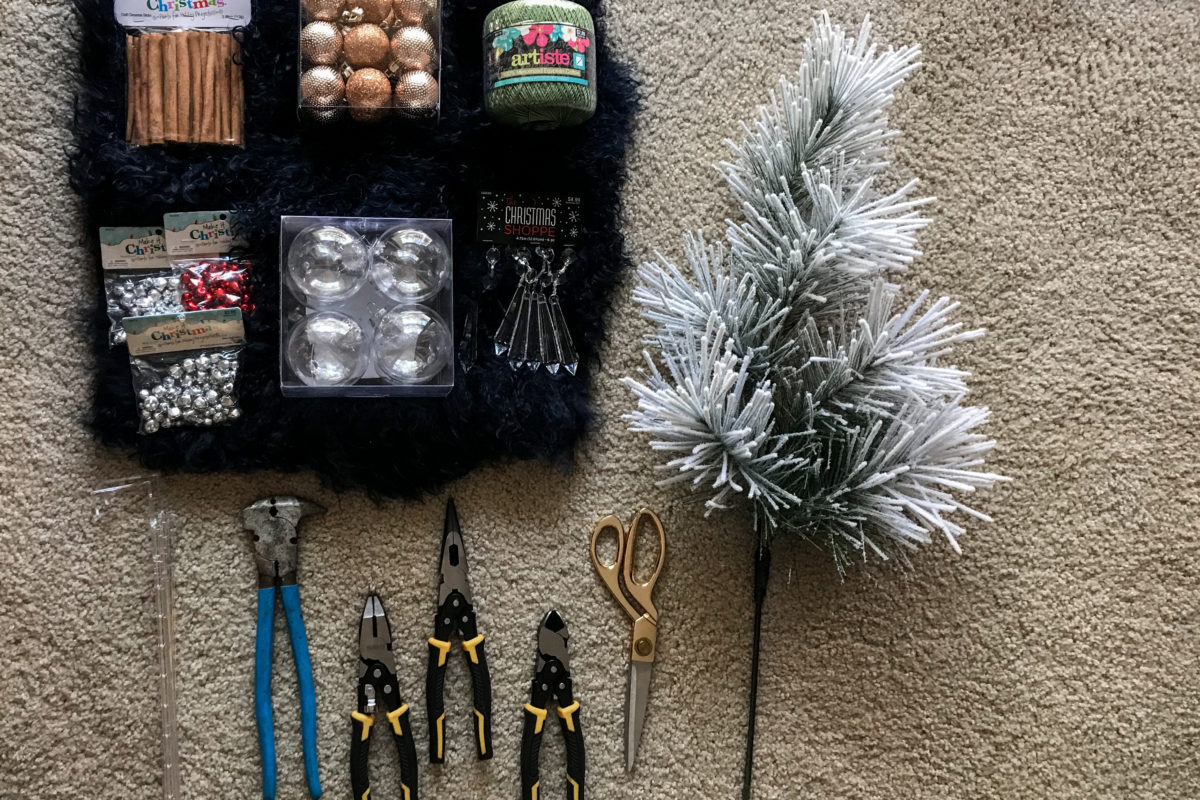
Designing your own front door wreath offers a fantastic opportunity to express your personal style and welcome guests with a touch of seasonal flair. The key is to consider the overall aesthetic of your home, the color of your front door, and the specific season. By carefully selecting materials and incorporating unique elements, you can create a wreath that is both beautiful and reflects your individual taste.
Seasonal Wreath Themes
The beauty of a DIY wreath lies in its adaptability. You can easily switch out elements to match the current season, creating a fresh and inviting look throughout the year. Consider these thematic ideas:
- Spring: Embrace the freshness of spring with pastel colors and delicate blooms. Think soft pinks, yellows, and light greens. Use faux or dried flowers like tulips, daffodils, and cherry blossoms. Incorporate natural elements such as twigs, moss, and small birdhouses for a touch of whimsy.
- Summer: Capture the vibrancy of summer with bright, bold colors and lush greenery. Use sunflowers, hydrangeas, and daisies. Consider incorporating elements like seashells, starfish, or even small flags for a patriotic touch around the Fourth of July.
- Autumn: Celebrate the warmth of autumn with rich, warm colors and textures. Use deep reds, oranges, yellows, and browns. Incorporate elements like fall leaves, pinecones, berries, and mini pumpkins or gourds. A burlap or plaid ribbon can add a rustic touch.
- Winter: Create a cozy and festive winter wreath with cool colors and shimmering accents. Use evergreens, frosted berries, and pinecones. Incorporate elements like silver or gold ornaments, ribbons, and even battery-operated fairy lights for a magical touch. Consider using artificial snow to create a snowy effect.
Customizing for Door Colors and Home Styles
The color of your front door and the style of your home are crucial considerations when designing your wreath. Here are some suggestions:
- For a red door: A wreath with contrasting colors like green, white, or blue will stand out beautifully. Avoid using too much red, as it might clash.
- For a blue door: Complement the blue with warm tones like orange, yellow, or cream. Consider a wreath with a nautical theme if your home has a coastal style.
- For a neutral-colored door (white, gray, or black): You have a wide range of options. Almost any color palette will work, allowing you to experiment with different styles and themes.
- For a traditional home: Opt for classic designs with natural materials and elegant embellishments. Consider a wreath with evergreens, berries, and a simple bow.
- For a modern home: Choose a wreath with clean lines and bold colors. Consider using geometric shapes, metallic accents, or a minimalist design.
- For a farmhouse-style home: Embrace rustic elements like burlap, wood slices, and wildflowers. Consider a wreath with a simple, understated design.
Incorporating Unique Elements
Personalizing your wreath adds a special touch and makes it truly unique. Consider these ideas:
- Monograms: Add a large, wooden or metal monogram of your family’s initial to the center of the wreath. This adds a personalized and elegant touch.
- Family Names: Incorporate a wooden sign with your family name or a welcome message. This is a great way to make your guests feel welcomed.
- Favorite Quotes: Use small wooden signs or stencils to include your favorite quotes or seasonal greetings.
- Special Embellishments: Include items that reflect your interests or hobbies. For example, if you love gardening, add small gardening tools or flower pots. If you are a sports fan, incorporate team-themed items.
Weather-Resistant Materials and Durability
The durability of your wreath depends on the materials you choose. Selecting weather-resistant materials will help your wreath last longer, especially if it’s exposed to the elements.
| Material | Best Use | Weather Conditions | Durability |
|---|---|---|---|
| Artificial Greenery (UV-resistant) | Base of the wreath, greenery, and foliage. | Sun, Rain, Wind | High; designed to withstand sun and rain exposure. Look for UV-resistant varieties to prevent fading. |
| Wired Ribbon (Polyester or Waterproof Materials) | Bows, accents, and hanging loops. | Rain, Wind | Moderate to High; Polyester and waterproof materials are best. Wired ribbon holds its shape well in windy conditions. |
| Dried or Preserved Natural Elements (Pinecones, Berries) | Accent pieces. | Dry Conditions (avoid direct rain) | Moderate; can become brittle in extreme cold or heat. Protect from direct rain and sun. |
| Hot Glue (Waterproof) | Securing embellishments. | All Conditions (with waterproof glue) | Moderate to High; use waterproof hot glue and apply generously. Ensure the glue bonds well to the materials. |
Tools and Techniques for Wreath Construction
Creating a beautiful and long-lasting DIY wreath requires the right tools and a grasp of fundamental techniques. Using the correct tools not only makes the process easier and more enjoyable but also ensures the wreath’s structural integrity and aesthetic appeal. Understanding safe practices is paramount to prevent injuries, and mastering certain techniques will elevate your wreath from simple to stunning.
Essential Tools and Their Uses
A well-equipped workspace is crucial for successful wreath making. Having the right tools on hand will streamline the process and allow for greater precision and creativity.
- Wire Cutters: These are indispensable for cutting floral wire, wire stems, and even trimming thicker branches. Choose a pair with a sharp, clean cutting edge for a precise cut. Avoid using them on materials that could dull the blades, such as heavy-gauge wire or metal.
- Scissors: A good pair of sharp scissors is essential for cutting ribbon, fabric, and greenery. Consider having a dedicated pair for each type of material to maintain sharpness.
- Glue Gun and Glue Sticks: A low-temperature glue gun is generally recommended to prevent burns and avoid melting delicate materials. Glue sticks are used to adhere embellishments and secure elements to the wreath base. Always use the appropriate glue for the materials being used.
- Floral Wire: This flexible wire comes in various gauges. Thinner wire is suitable for securing lighter elements, while thicker wire is used for attaching heavier items or providing structural support.
- Floral Tape: This stretchy, self-sealing tape is used to wrap stems, conceal wire, and create a cohesive look. It adheres best when stretched slightly during application.
- Wreath Frame: The foundation of your wreath, available in various materials like grapevine, metal, or foam. Choose a frame appropriate for the size and style of your desired wreath.
- Gloves (Optional): Gloves can protect your hands from hot glue, sharp stems, and potential irritants in certain materials.
Safe Practices for Tool Usage
Safety should always be a priority when working with tools, especially those that involve sharp blades or heat.
- Wire Cutters: Always cut away from your body. Wear safety glasses to protect your eyes from flying debris.
- Glue Gun: Use a low-temperature glue gun to minimize the risk of burns. Never touch the hot glue nozzle directly. Always unplug the glue gun when not in use. Place the glue gun on a stable surface to prevent it from tipping over.
- Scissors: Always cut away from your body. Store scissors safely when not in use.
- Workspace: Maintain a clean and organized workspace to prevent accidents. Ensure adequate lighting.
Techniques for Professional-Looking Results
Several techniques can significantly enhance the appearance and longevity of your DIY wreath.
- Hiding Wires: Conceal floral wire by wrapping stems with floral tape or tucking wires into the arrangement. For grapevine wreaths, weave the wire through the branches.
- Creating Balanced Arrangements: Distribute elements evenly around the wreath frame to create a visually appealing design. Consider using the rule of thirds to guide placement, dividing the wreath into imaginary sections and placing focal points at the intersections.
- Securing Elements: Use a combination of wire and glue to ensure elements are securely attached. Wire provides structural support, while glue adds an extra layer of adhesion.
- Layering Greenery: Overlap greenery to create depth and fullness. Start with a base layer and then add accents on top.
- Adding Dimension: Incorporate elements of varying sizes and textures to add visual interest. Consider using different types of greenery, ribbons, and embellishments.
Advanced Techniques for Intricate Wreath Designs
Elevate your wreath-making skills by exploring advanced techniques that allow for greater creativity and complexity.
- Multiple Layers: Create depth by layering different types of greenery or embellishments. Start with a base layer, add a mid-layer, and finish with accents on top.
- Incorporating Lights: Add battery-operated fairy lights or LED lights to create a festive and eye-catching wreath. Secure the battery pack to the back of the wreath. Hide the wires by weaving them through the greenery.
- Using a Variety of Materials: Experiment with different materials such as dried flowers, feathers, pinecones, and fabric scraps. This allows for a more unique and personalized design.
- Creating a Focal Point: Designate a focal point on the wreath, such as a large bow or a cluster of embellishments, to draw the eye and add visual interest.
- Working with Specific Themes: Design wreaths for specific holidays or occasions, such as Christmas, Easter, or fall. Research different themes and incorporate relevant elements into the design.
Troubleshooting and Maintaining Your Wreath
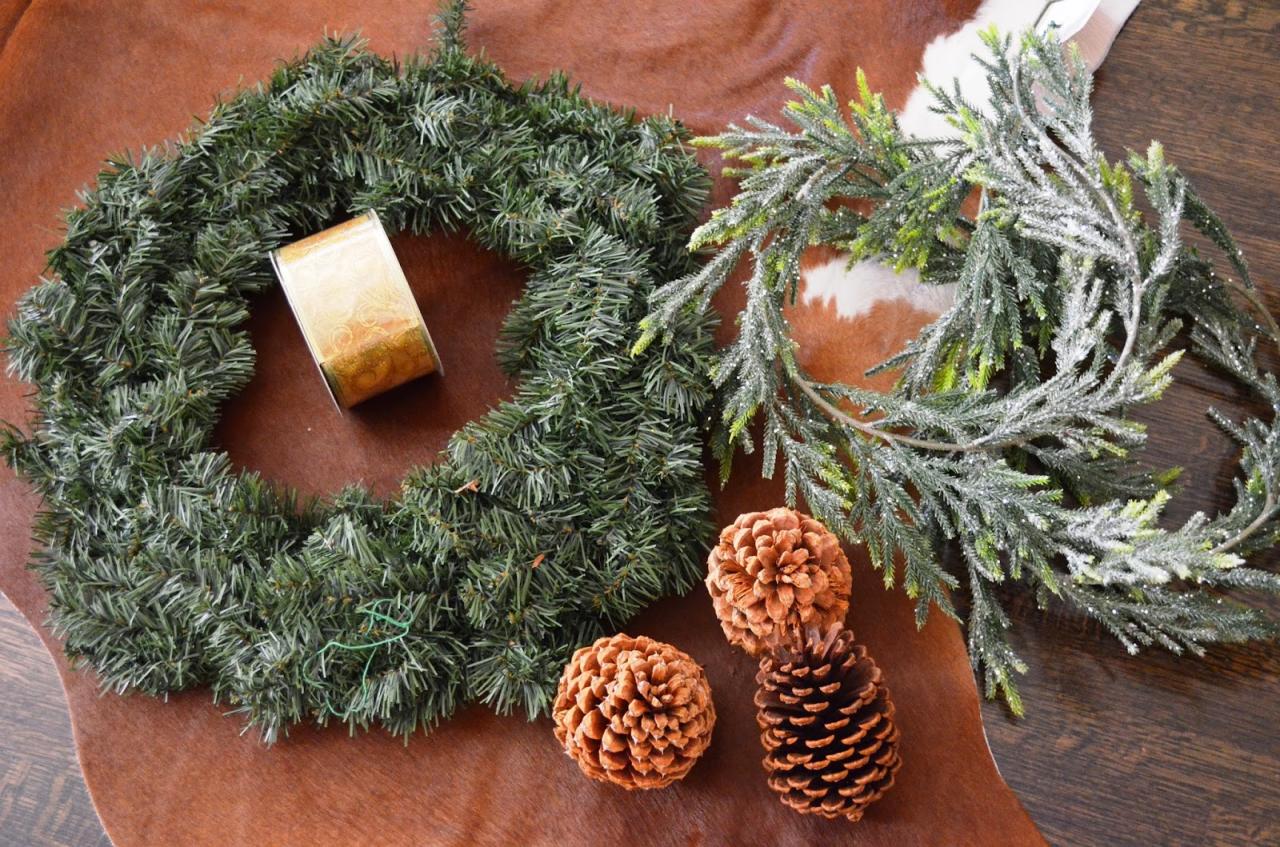
Creating a beautiful DIY wreath is a rewarding experience, but sometimes, things don’t go exactly as planned. This section will guide you through common challenges, how to keep your wreath looking its best, and proper storage techniques to ensure your hard work lasts.
Common Problems and Solutions During Wreath Making
Even experienced crafters encounter issues. Here’s a breakdown of common problems and how to fix them:
- Greenery Falling Off: This often happens if the greenery isn’t securely attached. Check your wire or glue. Ensure the wire is wrapped tightly around the base and the greenery stem. If using glue, ensure it’s a strong, appropriate type for the materials (e.g., hot glue for most greenery, floral adhesive for delicate items). Consider adding more points of attachment.
- Uneven Distribution: An unbalanced wreath looks less appealing. Step back frequently during the design process to assess the overall look. Rotate the wreath and identify areas that need more greenery or embellishments.
- Wire Showing: Visible wire detracts from the finished product. Conceal wire by tucking greenery stems or embellishments over it. You can also use floral tape to wrap exposed wire, blending it with the overall color scheme.
- Embellishments Falling Off: Similar to greenery, ensure embellishments are securely attached. Hot glue is a common choice, but for heavier items, consider using wire or a combination of glue and wire. Make sure the surface is clean before applying the adhesive.
- Wreath Base Showing: The base should be mostly hidden. Add more greenery or embellishments to cover the base. Overlap the greenery slightly to create a fuller look and hide any gaps.
Preserving Fresh Greenery and Extending Wreath Life
Preserving your wreath is crucial to its longevity. Here’s how to keep your wreath looking fresh for longer:
- Choose the Right Greenery: Some greenery lasts longer than others. Fir, pine, and cedar generally hold up well. Consider using artificial greenery for a longer-lasting wreath, especially if you live in a climate that is harsh to natural materials.
- Proper Hydration (for certain types): For greenery that benefits from hydration, consider misting the wreath with water every few days, especially if it’s displayed indoors. Some people place the base in a container with water. However, this is not a general rule, and you should check the type of greenery you use.
- Avoid Direct Sunlight and Heat: Direct sunlight and heat can dry out greenery, causing it to become brittle and shed. Display your wreath in a location protected from these elements.
- Use Floral Preservatives (Optional): Some floral preservatives are available that can be sprayed on fresh greenery to help extend its life. Always follow the manufacturer’s instructions.
- Consider a Dry Environment: In humid climates, wreaths can mold faster. Ensure your wreath is in a well-ventilated area to prevent this.
Proper Wreath Storage
Proper storage is key to protecting your wreath when it’s not on display.
- Clean and Dry the Wreath: Before storing, ensure the wreath is clean and completely dry. Remove any loose debris.
- Choose the Right Storage Container: Use a wreath storage bag or container. These are specifically designed to protect wreaths from dust, moisture, and damage. If you don’t have a storage bag, a large, sturdy cardboard box will work.
- Protect from Crushing: Store wreaths in a location where they won’t be crushed by other items. If storing multiple wreaths, place the largest ones at the bottom.
- Climate Control: Store wreaths in a cool, dry place, away from extreme temperatures and humidity. Attics and basements are often not ideal.
- Consider Hanging: If possible, hang the wreath in the storage container. This helps to maintain its shape.
Cleaning and Maintaining Different Types of Wreaths
Different wreath materials require different cleaning methods.
- Fresh Greenery Wreaths: These are the most delicate. Gently dust them with a soft brush or a low-powered vacuum cleaner with a brush attachment. Avoid using water or cleaning solutions.
- Artificial Greenery Wreaths: These are generally easier to clean. Dust them regularly with a soft cloth or a feather duster. For more stubborn dirt, you can use a mild soap and water solution, but test it on an inconspicuous area first. Allow the wreath to dry completely before storing.
- Dried Flower Wreaths: These are very fragile. Dust them gently with a soft brush or a low-powered vacuum cleaner. Avoid moisture.
- Fabric Wreaths: Fabric wreaths can be spot-cleaned with a mild soap and water solution. Test the solution on an inconspicuous area first. Allow the wreath to air dry completely.
- Wreaths with Embellishments: For wreaths with embellishments like berries or ornaments, use caution when cleaning. Dust gently. For delicate items, consider removing them before cleaning and reattaching them afterward.
Always test any cleaning method on a small, hidden area of the wreath before cleaning the entire piece to ensure it doesn’t damage the materials.
Displaying and Presenting Your DIY Wreath
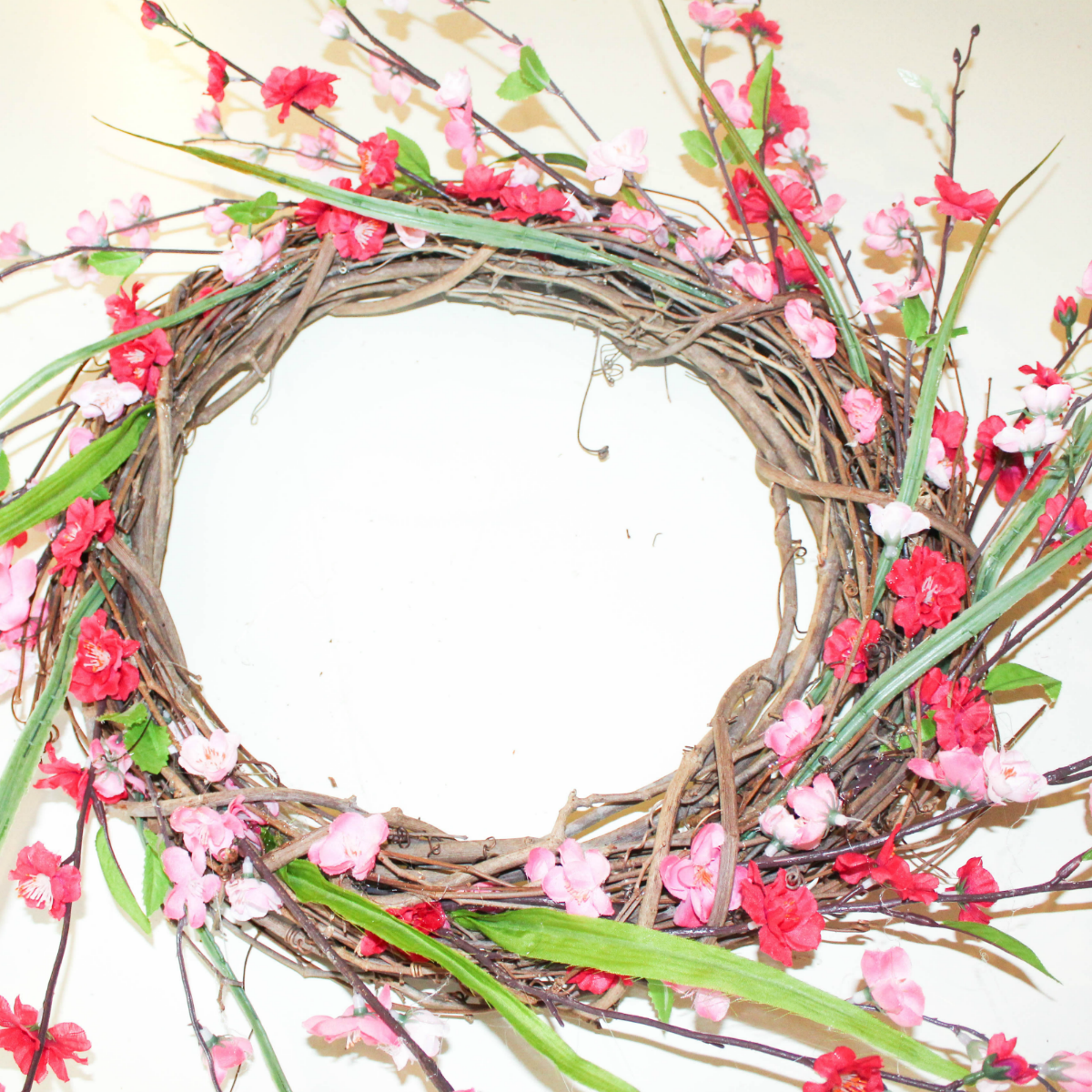
Now that you’ve poured your heart into crafting a beautiful wreath, it’s time to showcase it! Properly displaying your wreath not only protects it but also enhances its visual appeal, welcoming guests and adding a touch of personality to your home’s exterior. This section provides guidance on hanging your wreath securely, enhancing its presentation, and creating your own custom wreath hangers.
Hanging Your Wreath Securely
The security of your wreath depends on the door material and the hardware available. Choosing the right hanging method is essential to prevent damage to your door and ensure your wreath stays put, even in windy conditions.
- Consider the Door Material: The material of your front door dictates the hanging options. For example, a metal door allows for magnetic hangers, while a wooden door offers flexibility with hooks and over-the-door hangers. Glass doors may require suction cup hangers.
- Evaluate Existing Hardware: Observe any existing hardware, such as peepholes or doorknobs. These can sometimes be incorporated into your hanging strategy.
- Choose the Right Hanger: Select a hanger that is appropriately sized for your wreath’s weight and the door’s construction. Over-the-door hangers are a popular choice, but ensure they fit your door’s thickness.
- Protect the Door’s Surface: Use felt pads or other protective materials where the hanger contacts the door to prevent scratches.
- Test for Stability: Before fully hanging your wreath, test the hanger’s stability by gently tugging on it.
Enhancing the Wreath’s Visual Appeal
The presentation of your wreath is just as important as the wreath itself. A few simple additions can dramatically elevate its impact and create a cohesive look.
- Welcome Mats: A well-chosen welcome mat can complement the wreath’s style and color scheme, creating a unified entrance. For instance, a rustic wreath might pair well with a coir mat, while a modern wreath could be paired with a sleek, geometric design.
- Outdoor Decor Coordination: Integrate the wreath’s colors and themes with other outdoor elements, such as planters, porch furniture, or house numbers. A wreath featuring vibrant fall colors would look stunning alongside a display of pumpkins and gourds.
- Lighting: Consider adding fairy lights or a spotlight to illuminate the wreath, especially during the evening hours.
- Seasonal Updates: Change your wreath and its surrounding decor to reflect the current season or holiday. This keeps your entrance fresh and engaging throughout the year.
Creating a Wreath Hanger
If you don’t want to use a standard hanger, creating your own allows for customization and often provides a more secure or aesthetically pleasing solution.
- Wire Hangers: These are versatile and inexpensive. You can bend them to fit over the door or shape them to attach to other hardware. They are easy to paint or decorate to match your door and wreath.
- Ribbon Hangers: A wide ribbon can be looped over the door and secured with a knot or decorative bow. This is a gentle option that works well for lightweight wreaths and adds a touch of elegance.
- Command Hooks: These adhesive hooks are a damage-free option for various door surfaces. Ensure you choose a hook rated for the weight of your wreath and follow the manufacturer’s instructions for application.
- DIY Metal Hangers: If you have basic metalworking skills, you can create a custom hanger from metal rods or wire, welding or bending it to fit your door and the wreath.
Wreath Hanger Comparison Table
Here is a table comparing different types of wreath hangers, their pros and cons, and their compatibility with various door materials:
| Hanger Type | Pros | Cons | Door Material Compatibility |
|---|---|---|---|
| Over-the-Door Hanger | Easy to install; no tools required; widely available in various styles and finishes. | Can scratch the door; may not fit all door thicknesses; can be visible. | Wood, Metal, Fiberglass (check door thickness compatibility) |
| Magnetic Hanger | No tools required; easy to reposition; strong hold. | Only compatible with metal doors; can damage paint if magnets are too strong or moved without care. | Metal |
| Suction Cup Hanger | No tools required; good for glass doors; often transparent. | Can fail if the suction is not perfect or if the wreath is too heavy; not suitable for textured surfaces. | Glass, Smooth Surfaces |
| Adhesive Hook (e.g., Command Hook) | Damage-free; easy to install; available for various weights. | Weight limit restrictions; adhesive can fail in extreme temperatures or humidity; requires proper surface preparation. | Wood, Metal, Fiberglass, Painted Surfaces (follow manufacturer’s instructions) |
| Wire or Ribbon Hanger | Inexpensive; customizable; gentle on the door. | May require a hook or nail for attachment; less secure for heavy wreaths. | Wood, Metal, Fiberglass (requires a hook or nail) |
End of Discussion
From selecting the perfect materials to mastering the art of embellishment and display, you now have the knowledge to create beautiful, personalized wreaths. Remember to embrace your creativity, experiment with different styles, and most importantly, enjoy the process. Your front door is ready to be the envy of the neighborhood, one handcrafted wreath at a time. Happy crafting!