Tired of cluttered cabinets and searching endlessly for that elusive cumin? Building your own DIY spice rack is the perfect solution, marrying kitchen organization with a touch of personal flair. Forget expensive store-bought options; this project empowers you to create a custom spice rack that perfectly fits your kitchen’s style and your culinary needs. Whether you’re a seasoned DIY enthusiast or a complete beginner, this guide will walk you through every step of the process.
This guide will show you how to design, build, and install a spice rack tailored to your space. You’ll learn about different design ideas, from wall-mounted racks to countertop organizers, and discover the best materials for durability and aesthetics. We’ll cover everything from measuring your kitchen space to applying the finishing touches, ensuring your spice rack is not only functional but also a beautiful addition to your kitchen.
The Allure of a DIY Spice Rack
A well-organized kitchen is the heart of a happy home, and a DIY spice rack is the perfect starting point for achieving culinary bliss. Imagine effortlessly finding the perfect herbs and spices to elevate your cooking, all while adding a touch of personalized style to your kitchen. A custom-built spice rack not only streamlines your cooking process but also enhances the aesthetic appeal of your culinary space.Building your own spice rack offers numerous advantages over purchasing a pre-made one.
You gain complete control over the design, dimensions, and materials, ensuring it perfectly fits your specific needs and kitchen layout. This customization often translates to significant cost savings, especially when compared to high-end or custom-built commercial options. Moreover, the satisfaction of creating something functional and beautiful with your own hands is unparalleled.
Target Audience for This Project
This DIY spice rack project is designed with the beginner in mind. The instructions will be clear, concise, and easy to follow, minimizing the need for advanced woodworking skills or specialized tools. While some basic tools will be required, the focus is on simplicity and accessibility.
Planning and Preparation
Before you begin building your spice rack, taking the time to plan and gather your resources is crucial for a smooth and successful project. Proper preparation minimizes mistakes, saves time, and ensures your finished product is both functional and aesthetically pleasing. This section details the tools, materials, and safety measures needed to create your own spice rack.
Necessary Tools
The tools you’ll need depend on the design of your spice rack. A simple shelf-based rack requires fewer tools than a more complex, custom-built one. Here’s a breakdown of essential tools, along with their common uses:
- Measuring Tape: Essential for accurate measurements of your kitchen space, the wood you’ll be using, and the dimensions of your spice rack. Precision is key!
- Pencil: Used for marking measurements and cut lines on your materials. Always use a sharp pencil for clear markings.
- Saw (Hand Saw or Power Saw): A saw is needed to cut the wood to the desired dimensions. A hand saw is suitable for smaller projects and thinner wood, while a power saw (circular saw, miter saw, or table saw) is recommended for larger projects and faster cutting. A miter saw is particularly useful for making angled cuts.
- Drill and Drill Bits: A drill is necessary for creating pilot holes for screws and for assembling the spice rack. A variety of drill bit sizes will be needed, depending on the size of the screws you are using.
- Screwdriver or Drill with Screwdriver Bit: Used for driving screws into the wood to assemble the spice rack.
- Sander (Hand Sander or Power Sander): Sanding the wood is crucial for smoothing rough edges and surfaces, creating a professional finish, and preparing the wood for paint or stain. A hand sander is sufficient for smaller projects, while a power sander will save time and effort for larger projects.
- Clamps: Clamps hold the wood pieces together while glue dries or while you are screwing them together. This ensures a strong and stable bond.
- Level: A level ensures your spice rack is straight and level when mounted on the wall.
- Safety Glasses: Protect your eyes from flying debris while sawing, drilling, and sanding.
- Work Gloves: Protect your hands from splinters and cuts.
Common Materials Needed
The materials you choose will significantly impact the look and durability of your spice rack. Consider the style you want to achieve and the environment where the rack will be placed. Here’s a list of common materials:
- Wood: The primary material for your spice rack. Common choices include pine, oak, maple, and plywood. Consider the wood’s strength, appearance, and cost. Pine is a more affordable option, while hardwoods like oak and maple offer greater durability and a more refined look. Plywood is a good choice for shelves and backing.
- Screws: Used for assembling the spice rack. Choose screws of appropriate length for the thickness of your wood. Consider using wood screws specifically designed for the type of wood you are using.
- Nails (Optional): Nails can be used in conjunction with screws or glue for added strength, particularly for securing the backing of the spice rack.
- Wood Glue: Provides a strong bond between wood pieces, especially when used in conjunction with screws or nails.
- Wood Filler: Used to fill any gaps, nail holes, or imperfections in the wood before painting or staining.
- Paint, Stain, or Varnish: Used to finish and protect the wood. Paint offers a wide range of color options, stain enhances the natural grain of the wood, and varnish provides a clear protective coating.
- Sandpaper: Used for sanding the wood. Different grits of sandpaper are needed, starting with a coarser grit to remove imperfections and finishing with a finer grit for a smooth finish.
- Mounting Hardware: Includes screws, anchors, and brackets for attaching the spice rack to the wall. The type of hardware needed will depend on the wall material (drywall, plaster, brick, etc.).
Measuring Your Kitchen Space
Accurate measurements are critical for a spice rack that fits your kitchen perfectly. Taking the time to measure your space ensures you utilize the available area efficiently. Here’s how to measure effectively:
- Identify the Location: Decide where you want to place your spice rack. Consider factors like accessibility, counter space, and proximity to your cooking area. Common locations include inside a cabinet door, on a wall near the stove, or on the inside of a pantry door.
- Measure the Available Space: Use your measuring tape to measure the height, width, and depth of the space you have available. Note any obstructions, such as outlets, light switches, or cabinet hinges. For example, if you are mounting the rack on a wall, measure the wall space available, accounting for any molding or other features.
- Consider the Style: The style of spice rack you choose will influence the dimensions. For example, a wall-mounted spice rack will have different depth requirements than a rack designed to fit inside a cabinet.
- Measure Your Spices: Measure the height, width, and depth of your spice jars. This will help you determine the shelf spacing and the overall depth of the rack. Consider the largest spice jars you own.
- Sketch Your Design: Create a simple sketch of your spice rack, including all the dimensions. This will serve as a guide during the construction process. Include notes about the placement of shelves and any special features.
Essential Safety Precautions
Safety should always be your top priority when working with tools and materials. Following these precautions will help prevent injuries and ensure a safe working environment:
- Wear Safety Glasses: Protect your eyes from flying debris when sawing, drilling, sanding, or using any power tools.
- Wear Work Gloves: Protect your hands from splinters, cuts, and abrasions.
- Use a Dust Mask or Respirator: Protect your lungs from wood dust, especially when sanding or cutting treated wood.
- Work in a Well-Ventilated Area: Ensure proper ventilation, especially when using paints, stains, or varnishes. Open windows and doors or use a fan to circulate air.
- Use Power Tools Safely: Always read and understand the operating instructions for your power tools before using them. Keep blades and bits sharp, and never force a tool.
- Secure Your Workpiece: Use clamps or a vise to hold your wood securely while cutting or drilling. This prevents the wood from moving and reduces the risk of injury.
- Unplug Power Tools When Not in Use: This prevents accidental starts.
- Store Materials Safely: Store all tools and materials out of reach of children and pets. Properly dispose of any hazardous materials, such as paint thinner or varnish.
- First Aid Kit: Keep a first aid kit readily available in case of minor injuries.
- Follow Manufacturer’s Instructions: Always adhere to the manufacturer’s instructions for any tools, materials, or finishes you are using.
Design Ideas
Creating a spice rack is an opportunity to personalize your kitchen and make it more functional. The design you choose will significantly impact how you use your spices and how they integrate into your kitchen’s overall aesthetic. Consider your available space, the number of spices you own, and your preferred cooking style when making your selection.
Wall-Mounted Spice Racks
Wall-mounted spice racks are an excellent space-saving solution, especially for smaller kitchens. They free up valuable countertop and drawer space, making them a practical option.
- Pros: Maximizes space utilization; spices are easily visible and accessible; can be customized to fit any wall space; adds a decorative element to the kitchen.
- Cons: Requires installation and can be difficult to relocate; spices are exposed to light and heat, potentially affecting their shelf life; may not be suitable for heavy spice collections.
Countertop Spice Racks
Countertop spice racks offer convenient access to your spices while keeping them within easy reach while you cook. They are a classic and versatile choice.
- Pros: Spices are readily accessible; easy to move around; available in various styles and sizes; often include built-in features like rotating carousels.
- Cons: Takes up valuable countertop space; can become cluttered if not organized properly; may not be ideal for kitchens with limited counter space.
Drawer Organizers
Drawer organizers provide a sleek and hidden storage solution for spices, keeping them out of sight but still accessible.
- Pros: Conceals spices, creating a clean aesthetic; protects spices from light and heat; maximizes drawer space; can be customized to fit specific drawer dimensions.
- Cons: Requires sufficient drawer depth; spices are less visible, potentially leading to forgotten or expired spices; can be less convenient for frequent use.
Tiered Spice Racks
Tiered spice racks are a popular choice, offering a clear view of all spice jars at a glance. They can be wall-mounted, countertop, or even placed inside cabinets.
- Pros: Provides excellent visibility of all spices; easy to organize and access; available in various sizes and configurations; can be adapted to different storage locations.
- Cons: May require a larger footprint than other designs; can be less space-efficient if the tiers are too far apart; may not be suitable for very tall spice jars.
Hanging Spice Racks
Hanging spice racks, often suspended from a cabinet or the underside of a shelf, are another space-saving solution.
- Pros: Frees up countertop and drawer space; spices are easily accessible; can be a decorative element in the kitchen; often a budget-friendly option.
- Cons: Requires a suitable mounting location; spices may be exposed to light and heat; may not be suitable for heavy spice collections; can sometimes look cluttered.
Unique Design Elements
Consider adding unique design elements to your spice rack to enhance its functionality and aesthetic appeal.
- Chalkboard Labels: Use chalkboard labels on your spice jars to easily write and update spice names. This allows for quick identification and adds a rustic touch to your kitchen.
- Magnetic Lids: Incorporate spice jars with magnetic lids and a magnetic rack. This allows you to store spices on your refrigerator or any other magnetic surface, saving space and providing easy access.
- Built-in Spice Grinders: Integrate spice grinders directly into your rack design for freshly ground spices at your fingertips.
Spice Rack Design Comparison
This table summarizes the pros and cons of different spice rack designs, helping you choose the best option for your kitchen.
| Design | Pros | Cons | Best For |
|---|---|---|---|
| Wall-Mounted | Space-saving, easy access, decorative | Requires installation, exposure to light/heat | Small kitchens, limited counter space |
| Countertop | Easy access, versatile, various styles | Takes up counter space, can become cluttered | Frequent cooks, kitchens with available counter space |
| Drawer Organizer | Clean aesthetic, protects from light/heat | Requires drawer depth, less visible | Minimalist kitchens, organized cooks |
| Tiered | Excellent visibility, easy access | May require larger footprint | Spice enthusiasts, organized kitchens |
| Hanging | Space-saving, easy access, budget-friendly | Requires mounting, exposure to light/heat | Small kitchens, limited budget |
Step-by-Step Guide: Building Your Spice Rack
Now that you’ve got your design and materials ready, it’s time to get building! This section will guide you through the process of constructing a simple wall-mounted spice rack, from cutting the wood to applying the finishing touches. Remember to always prioritize safety by wearing appropriate safety gear like safety glasses and a dust mask. Let’s get started!
Cutting Wood to the Required Dimensions
Accurate cutting is the cornerstone of a successful DIY project. Taking your time and using the right techniques will ensure your spice rack fits together perfectly.* Measuring and Marking: Before you cut anything, double-check your measurements against your plan. Use a pencil and a ruler or measuring tape to mark the cutting lines clearly on your wood pieces. A speed square can be extremely helpful for ensuring straight, 90-degree cuts.
Choosing the Right Saw
For this project, a circular saw or a hand saw (with a miter box for straight cuts) will work well. If you have access to a table saw, it will make the process even easier and more accurate.
Circular Saw Techniques
Set the blade depth slightly deeper than the thickness of your wood. This minimizes tear-out.
Place the wood firmly on a stable surface.
Align the saw blade with your marked cutting line.
Start the saw and let it reach full speed before slowly and steadily guiding it through the wood.
Use a guide, like a straight edge or a clamped piece of wood, to ensure a straight cut.
Hand Saw Techniques
Secure the wood in a vise or clamp it to your workbench.
Place the saw blade along the marked line.
Start with gentle, even strokes to create a kerf (a starting groove).
Gradually increase the pressure and continue sawing along the line, keeping the blade straight.
Use a miter box to help guide the saw for accurate 90-degree cuts.
Safety First
Always wear safety glasses and a dust mask when cutting wood. Be mindful of the saw blade and keep your hands away from the cutting path.
Assembling the Frame and Shelves
With your wood pieces cut to size, it’s time to assemble the frame and shelves. This involves attaching the pieces together to create the structure of your spice rack.* Dry Fitting: Before applying any fasteners, it’s a good idea to dry-fit all the pieces. This means placing them together without glue or screws to make sure everything fits correctly.
Make any necessary adjustments before moving on.
Assembling the Frame
Apply wood glue to the joining surfaces of the side pieces and the top and bottom pieces.
Clamp the pieces together, ensuring the corners are square. Use a speed square to check for squareness. Secure the frame using screws or nails. If using screws, pre-drill pilot holes to prevent the wood from splitting. If using nails, use a nail gun or hammer carefully.
Wipe away any excess glue with a damp cloth.
Attaching the Shelves
Measure and mark the positions of your shelves on the side pieces.
Apply wood glue to the edges of the shelves that will contact the side pieces.
Position the shelves within the frame, aligning them with your marks.
Clamp the shelves in place.
Secure the shelves using screws or nails, again pre-drilling pilot holes if using screws.
Screw vs. Nail Considerations
Screws provide a stronger hold and allow for easier adjustments. Nails are faster to install but may not be as strong.
Example
Imagine building a simple box. You’d first glue and clamp the sides to the top and bottom. Once the glue sets, you’d reinforce the joints with screws. Then, you’d insert the shelves, glue and screw them in place.
Applying a Finish to the Wood
Applying a finish protects your spice rack and enhances its appearance. The choice of finish depends on your desired look and the level of protection you need.* Preparation is Key: Before applying any finish, sand the entire spice rack with fine-grit sandpaper (220 grit or higher) to create a smooth surface. Remove all dust with a tack cloth or a slightly damp cloth.
Choosing Your Finish
Paint
Offers a wide range of colors and can hide imperfections in the wood.
Stain
Enhances the natural grain of the wood. Requires a clear topcoat (varnish or polyurethane) for protection.
Varnish/Polyurethane
Provides a durable, clear protective coating. Available in various sheens (gloss, semi-gloss, matte).
Applying Paint
Apply a primer (optional but recommended) to improve paint adhesion and coverage. Let it dry completely according to the manufacturer’s instructions. Apply the first coat of paint using a brush, roller, or spray gun. Follow the grain of the wood. Let the first coat dry completely.
Drying times vary depending on the paint type and environmental conditions; check the paint can for details.
Lightly sand the surface with fine-grit sandpaper.
Apply a second coat of paint.
Applying Stain
Apply the stain evenly to the wood surface, following the grain.
Wipe off the excess stain with a clean cloth after the recommended time (usually a few minutes, check the stain can).
Let the stain dry completely.
Apply a clear topcoat (varnish or polyurethane) for protection. Apply the first coat, let it dry, lightly sand, and apply a second coat.
Applying Varnish/Polyurethane
Apply the first coat evenly using a brush or roller.
Let the first coat dry completely.
Lightly sand the surface with fine-grit sandpaper.
Apply a second coat. For extra durability, you can apply a third coat after the second coat has dried and been lightly sanded.
Drying Times
Drying times vary depending on the finish type, temperature, and humidity. Always refer to the manufacturer’s instructions on the product label. Generally, paint and stain require several hours to dry to the touch and longer to fully cure. Varnish and polyurethane also require sufficient drying time between coats.
Ventilation
Work in a well-ventilated area to avoid inhaling fumes from the finish.
Material Selection: Choosing the Right Components
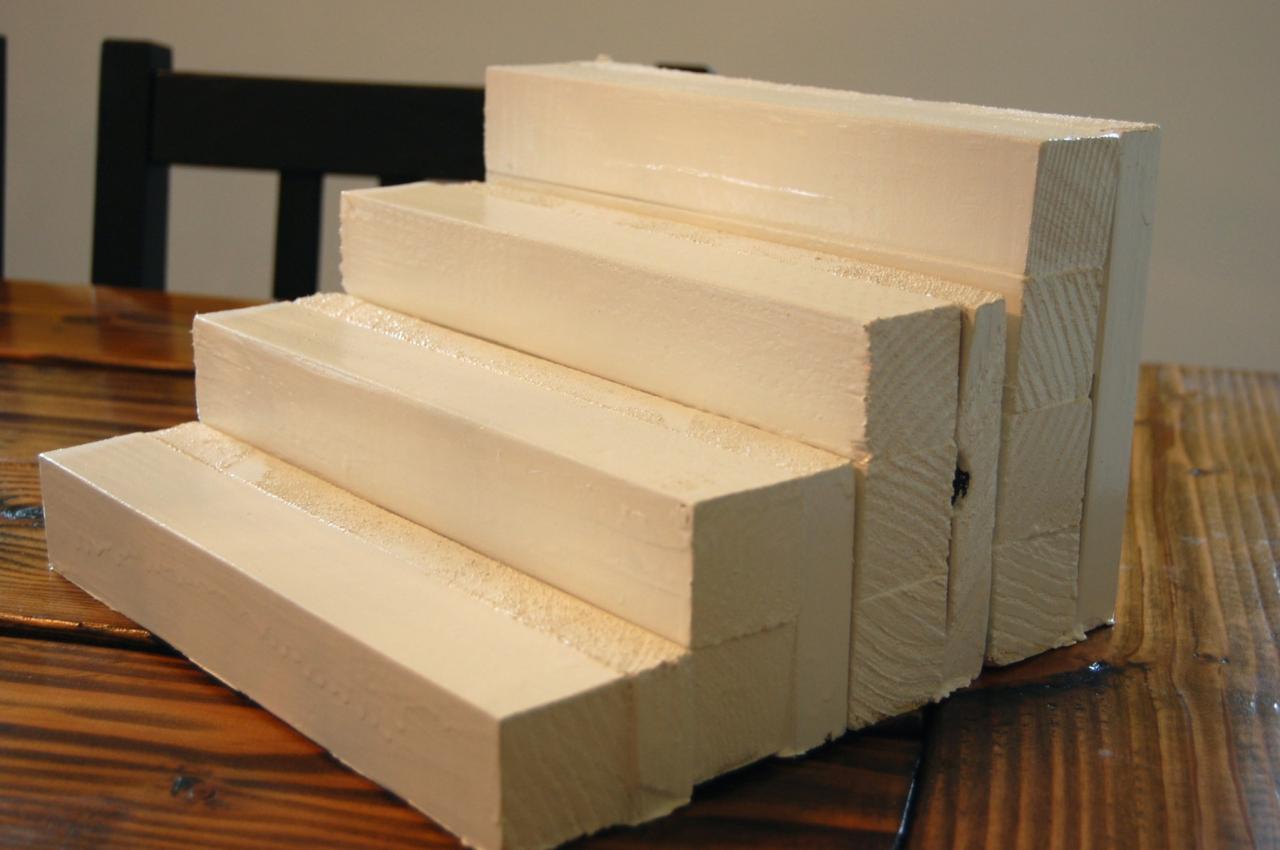
Selecting the right materials is crucial for the longevity, functionality, and aesthetic appeal of your DIY spice rack. The materials you choose will impact everything from the ease of construction to the final look and feel of your project. Careful consideration of these factors will ensure your spice rack is a success.
Wood Choices for Your Spice Rack
Wood is a popular choice for spice racks due to its versatility and natural beauty. The type of wood you select influences the rack’s appearance, durability, and suitability for different finishes. Consider the following options:
- Pine: Pine is an affordable and readily available softwood, making it a great option for beginners. It’s easy to work with, cuts, and sands well. However, pine is softer than hardwoods and can be prone to dents and scratches. It also absorbs stain unevenly, so wood conditioner is recommended before staining.
- Oak: Oak is a hardwood known for its strength and durability. It has a beautiful grain pattern and is excellent for staining and painting. Oak is more expensive than pine but offers a more premium look and feel. Its hardness makes it resistant to wear and tear, perfect for a kitchen environment.
- Maple: Maple is another hardwood option that’s prized for its smooth, fine grain. It’s very hard and durable, making it ideal for a spice rack. Maple is a light-colored wood that takes stain and paint well. It’s also a good choice for a clean, modern aesthetic.
- Other Wood Options: Consider other hardwoods like cherry (rich color, beautiful grain) or walnut (dark, luxurious appearance) if your budget allows. These offer exceptional durability and visual appeal. However, they are generally more expensive.
Alternative Materials for Spice Racks
While wood is a classic choice, consider these alternative materials to create a unique and functional spice rack:
- Metal: Metal spice racks offer a modern and industrial look. You can use pre-made metal shelving units or customize metal components like steel rods or wire baskets. Metal is durable and can withstand the rigors of a kitchen. Ensure the metal is treated to prevent rust.
- Acrylic: Acrylic (Plexiglas) can be used for a sleek and contemporary spice rack. It’s transparent, allowing you to showcase your spices beautifully. Acrylic is lightweight and easy to clean. However, it can be prone to scratching.
- Repurposed Items: Get creative and repurpose old items to build your spice rack. Consider using old drawers from a dresser, pallets, or even vintage crates. This approach adds character and charm to your kitchen while being environmentally friendly. Be sure to clean and treat any repurposed wood appropriately.
Fasteners and Hardware for Durability
The screws, nails, and hardware you choose are as important as the primary material. Using the correct fasteners ensures your spice rack is sturdy and safe.
- Screws: Screws provide a stronger and more reliable hold than nails, especially in wood. Choose screws that are the appropriate length for the thickness of your wood, avoiding screws that are too long and might poke through the back. Consider using wood screws designed for the specific type of wood you are using.
- Nails: Nails are quicker to install but offer less holding power. Use nails for less critical connections or for attaching thin pieces. Choose nails with a finish that complements the wood and consider using a nail gun for faster installation.
- Hardware: Hinges, handles, and other hardware elements can significantly impact the functionality and appearance of your spice rack. Select hardware that matches your desired style and is durable enough to withstand regular use.
Cost and Benefit Comparison of Materials
The following table summarizes the cost and benefits of different materials, helping you make an informed decision.
| Material | Cost | Benefits | Drawbacks |
|---|---|---|---|
| Pine | Low | Affordable, easy to work with, readily available. | Softer, prone to dents, uneven stain absorption. |
| Oak | Medium | Durable, beautiful grain, good for staining and painting. | More expensive than pine. |
| Maple | Medium | Hard, durable, smooth grain, takes stain and paint well. | More expensive than pine. |
| Metal | Variable | Durable, modern look. | Can rust, requires special tools for cutting and joining. |
| Acrylic | Medium | Sleek, transparent, lightweight. | Prone to scratching. |
| Repurposed | Low to Medium | Unique, sustainable, cost-effective. | Requires cleaning and preparation, may not be as durable. |
“Choosing the right materials can significantly impact the success of your DIY project. Weigh the cost, durability, and aesthetic appeal of each material before making your final decision.”
Customization and Personalization
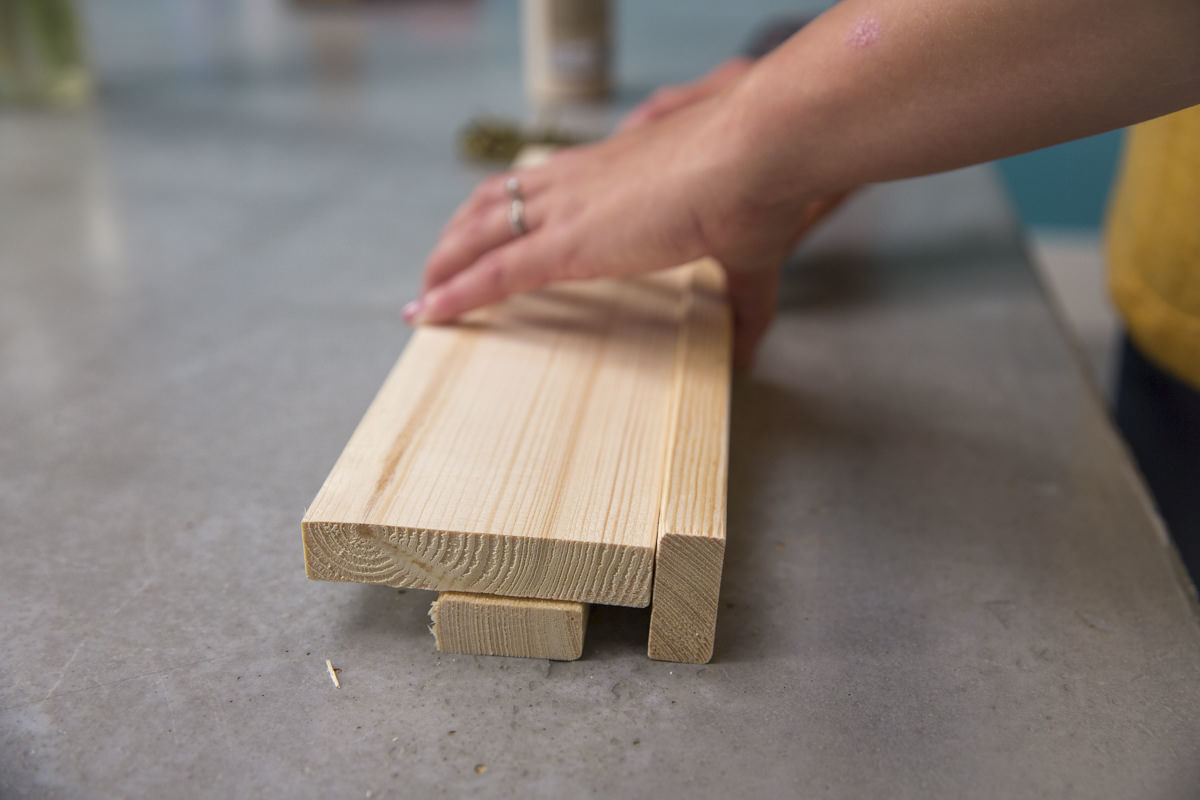
Now that you’ve built the basic structure of your spice rack, it’s time to unleash your creativity and make it truly your own. Personalizing your spice rack not only enhances its aesthetic appeal but also makes it more functional and tailored to your specific needs. This is where you can truly express your style and make your kitchen a reflection of your personality.
Adding Your Unique Touch: Labels, Stencils, and Decorative Hardware
There are several ways to infuse your spice rack with personality. Adding personalized touches elevates your rack from functional storage to a statement piece.
- Labels: Spice labels are essential for easy identification. Consider these options:
- Printed Labels: Create your own using a label maker or print them from a computer. For a cohesive look, choose a font and style that matches your kitchen’s decor.
- Hand-written Labels: Use a fine-tip marker or a calligraphy pen for a more rustic or artisanal feel.
- Pre-made Labels: Purchase pre-printed spice labels for convenience. Many styles are available, from minimalist to vintage.
- Stencils: Stencils can add decorative elements to the wood.
- Spice Names: Stencil the name of each spice directly onto the shelf or drawer.
- Decorative Patterns: Use stencils to add borders, designs, or patterns around the edges of the rack.
- Decorative Hardware: Enhance the look with attractive hardware.
- Knobs and Pulls: Replace standard knobs with decorative ones to add a touch of elegance or personality.
- Hinges and Latches: If your rack has doors or drawers, choose hinges and latches that complement your design.
Incorporating Features: Pull-Out Shelves, Organizers, and Knife Holders
Maximizing functionality is key to a well-designed spice rack. Consider these additions for improved usability and storage.
- Pull-Out Shelves: Install pull-out shelves for easy access to spices, especially those at the back of the rack. This is particularly useful for deep shelves.
- Installation: Use drawer slides to create a smooth gliding mechanism.
- Material: Consider using wood or metal for the shelves, depending on your design.
- Spice Jar Organizers: Organize your spices within the rack with dividers or small containers.
- Dividers: Use wooden or plastic dividers to separate spices and keep them upright.
- Small Containers: Use clear or labeled containers to store spices and keep them tidy.
- Knife Holders: Integrate a knife holder to keep essential kitchen knives within easy reach.
- Placement: Place the knife holder on the side or back of the spice rack.
- Type: Consider a magnetic strip or a slotted knife block.
Creating a Chalkboard Label Area
A chalkboard label area offers a dynamic and customizable labeling solution. It allows you to easily update and change spice names as needed.
- Materials:
- Chalkboard Paint: Apply chalkboard paint to a section of the rack.
- Chalkboard Sheet: Use a pre-made chalkboard sheet.
- Application:
- Paint: Paint a section of the rack with chalkboard paint, following the manufacturer’s instructions. Allow the paint to dry completely.
- Sheet: Adhere a chalkboard sheet to a flat surface on the rack.
- Usage: Use chalk or a chalk marker to write the names of your spices. The area can be easily wiped clean and rewritten.
Adding a Magnetic Strip for Metal Spice Containers
A magnetic strip offers a space-saving and visually appealing way to store metal spice containers. This is especially useful for small kitchens.
- Magnetic Strip: Purchase a strong magnetic strip from a hardware store.
- Installation: Attach the magnetic strip to the inside of the spice rack. Ensure the strip is securely fastened using screws or strong adhesive.
- Spice Containers: Use metal spice containers. Place them directly onto the magnetic strip. This allows you to arrange the spices in any order.
Finishing Touches: Refining Your Creation
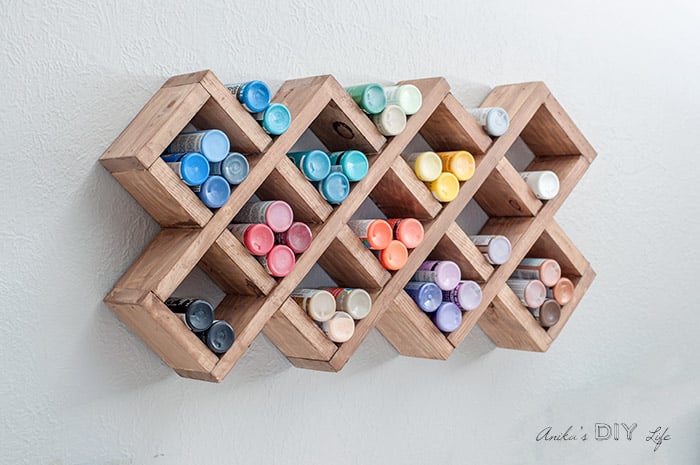
Now that your spice rack is built, it’s time to give it the polished look and durability it deserves. This section will guide you through the crucial finishing steps, ensuring your DIY spice rack not only looks great but also withstands the demands of a busy kitchen.
Sanding for a Smooth Finish
Sanding is a fundamental step in woodworking that prepares the surface for paint or stain. It removes imperfections, smooths rough edges, and ensures a uniform appearance. Proper sanding significantly enhances the final look and feel of your spice rack.
- Choosing the Right Sandpaper: Start with a coarser grit sandpaper (e.g., 120-grit) to remove any rough spots, splinters, or glue residue. Then, gradually move to finer grits (e.g., 180-grit, 220-grit) to achieve a smoother finish. The finer the grit, the smoother the surface.
- Sanding Techniques: Always sand in the direction of the wood grain. Use a sanding block to ensure even pressure and prevent uneven sanding. Apply light, even pressure and avoid sanding too aggressively, which could damage the wood.
- Cleaning Up After Sanding: After each sanding pass, use a tack cloth or a clean, damp cloth to remove dust and debris. This prevents the dust from interfering with the paint or stain application.
Paint and Stain Options for Kitchen Environments
Selecting the right paint or stain is crucial for both aesthetics and functionality in a kitchen. The chosen finish should be durable, easy to clean, and able to withstand the typical kitchen environment, including moisture, grease, and varying temperatures.
- Paints:
- Latex Paint: Latex paint is a popular choice for kitchen projects due to its water-based formula, low odor, and ease of cleaning. It is also relatively durable and flexible, which helps prevent cracking. Look for paints specifically labeled for kitchens or bathrooms, as they are formulated to resist moisture and mildew. Consider satin or semi-gloss finishes for their wipe-ability.
- Oil-Based Paint: Oil-based paints offer superior durability and are highly resistant to moisture and stains. However, they have a stronger odor, take longer to dry, and require mineral spirits for cleanup. They are a good option for areas that experience high wear and tear.
- Enamel Paint: Enamel paints provide a hard, durable finish and are available in both oil-based and water-based formulations. They are excellent choices for kitchen cabinets and other surfaces that need to withstand frequent cleaning.
- Stains:
- Oil-Based Stain: Oil-based stains penetrate the wood and provide rich color. They require a sealant for protection and can be more challenging to apply evenly than water-based stains.
- Water-Based Stain: Water-based stains are easier to clean up and have a lower odor than oil-based stains. They also dry faster. However, they may not penetrate the wood as deeply and can raise the grain.
- Gel Stain: Gel stains are thicker and easier to control, making them suitable for vertical surfaces. They offer good color control and can be applied over existing finishes.
Sealing for Protection and Longevity
Sealing your finished spice rack is essential to protect it from moisture, stains, and general wear and tear. A good sealant will extend the life of your project and keep it looking its best for years to come.
- Types of Sealants:
- Polyurethane: Polyurethane is a durable and water-resistant sealant available in oil-based and water-based formulas. It provides excellent protection against scratches, spills, and moisture. Oil-based polyurethane offers superior durability but has a stronger odor.
- Varnish: Varnish provides a hard, glossy finish and is available in various sheens. It offers good protection but may be less flexible than polyurethane.
- Lacquer: Lacquer dries quickly and provides a hard, durable finish. It is often used on furniture and is suitable for areas with light to moderate use.
- Application: Apply the sealant according to the manufacturer’s instructions. Typically, this involves applying thin, even coats with a brush or spray, allowing each coat to dry completely before applying the next.
- Number of Coats: Apply at least two coats of sealant for adequate protection. For areas prone to moisture or heavy use, consider applying three or more coats.
Illustration: A Fully Stocked and Finished Spice Rack
Imagine a beautifully crafted spice rack, proudly displayed on a kitchen wall. The rack is painted a soft, creamy white, providing a clean and classic backdrop for the vibrant spices. The wood grain is subtly visible, adding a touch of natural warmth and texture.The rack is meticulously organized, with each spice jar labeled clearly with its contents. The labels are printed in a crisp, easy-to-read font, and the jars are arranged alphabetically for easy access.
The jars themselves are a mix of clear glass and sleek, modern containers, allowing the colorful spices to be seen.On the top shelf, larger jars of frequently used spices like paprika, cumin, and oregano are placed. The middle shelf holds a collection of smaller jars containing herbs, spices, and blends. On the bottom shelf, you see the essentials like salt, pepper, and various cooking oils.The overall impression is one of order, functionality, and aesthetic appeal.
The creamy white color of the rack complements the kitchen’s existing décor, while the vibrant spices add pops of color and visual interest. The entire setup is a testament to the careful craftsmanship and thoughtful design.
Installation and Placement
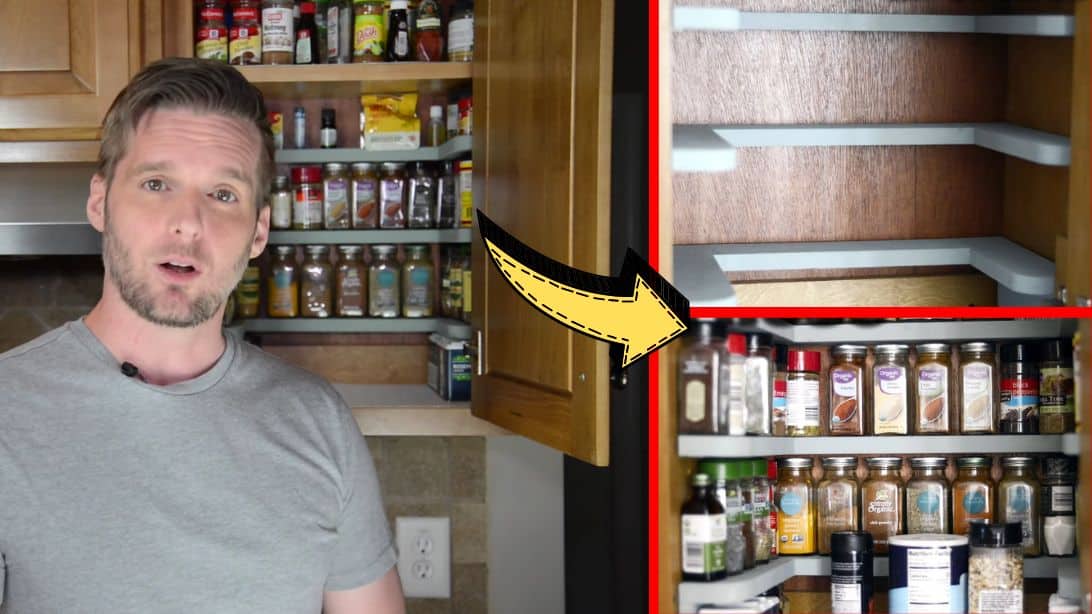
Now that your spice rack is built, the final step is to install it in your kitchen. Proper installation and placement are crucial for both functionality and aesthetics. This section will guide you through the process, ensuring your spice rack is securely mounted and conveniently located.
Mounting Methods for Different Wall Types
The method you use to mount your spice rack depends on the type of wall you have. Different wall materials require different hardware and techniques for a secure and lasting installation.
- Drywall: Drywall is the most common wall type in homes. It’s relatively easy to work with, but it’s not as strong as other materials.
- Use drywall anchors specifically designed for the weight of your spice rack and the spices it will hold. There are several types of anchors available, including plastic expansion anchors, self-drilling anchors, and toggle bolts.
- For lighter racks, plastic expansion anchors are often sufficient.
- For heavier racks or if you want extra security, use self-drilling anchors or toggle bolts. Toggle bolts are particularly strong but require a larger hole.
- Wood: Wood walls provide a solid base for mounting.
- You can use screws directly into the wood. The length of the screws should be appropriate for the thickness of the wood and the weight of the rack.
- Pre-drilling pilot holes is recommended to prevent the wood from splitting, especially with hardwoods.
- Tile: Mounting on tile requires special consideration to avoid cracking the tile.
- Use a drill bit specifically designed for drilling through tile.
- Carefully drill through the tile and into the wall behind it.
- Use anchors designed for tile, such as plastic anchors or specialized tile anchors.
- Consider using construction adhesive in addition to screws for extra security.
Measuring and Marking Mounting Points
Accurate measurement and marking are essential for a level and secure installation. Taking your time during this step will prevent headaches later.
- Determine the desired location: Hold the spice rack against the wall in the location where you want to mount it. Use a level to ensure it’s straight.
- Mark the mounting holes: Use a pencil to mark the location of each mounting hole on the wall. If your rack has keyhole slots, use a level to ensure the rack is straight and then mark the center of each keyhole slot.
- Verify the marks: Double-check your measurements to ensure the marks are accurate.
- Prepare the wall: If you’re using anchors, drill pilot holes at the marked locations according to the anchor manufacturer’s instructions.
Ideal Locations for Spice Rack Placement
Choosing the right location for your spice rack is key to its convenience. Consider these factors when deciding where to place it:
- Proximity to the cooking area: Place the spice rack near your stovetop or cooking area for easy access while you’re cooking.
- Accessibility: Ensure the rack is within easy reach, so you don’t have to stretch or strain to get the spices you need.
- Visibility: Choose a location where you can easily see the spice labels. This helps you quickly find the spice you’re looking for.
- Avoidance of heat and moisture: Keep the rack away from direct heat sources (like the stovetop) and moisture (like the sink area) to prevent damage to the spices and the rack itself.
- Examples:
- Mounting the rack on the inside of a cabinet door near the stovetop is a popular and space-saving option.
- Placing the rack on a wall next to the stove provides easy reach.
- Positioning the rack near the food preparation area facilitates easy access during meal preparation.
Ensuring Stability and Security
Once the spice rack is mounted, it’s important to ensure it’s stable and secure to prevent it from falling and to protect your spices.
- Use the correct hardware: Always use screws and anchors appropriate for the wall type and the weight of the rack.
- Tighten screws securely: Don’t overtighten screws, as this can damage the wall or the rack. Tighten them until they are snug.
- Test the stability: Gently tug on the rack to make sure it’s securely attached to the wall. If it wobbles or feels loose, check the screws and anchors.
- Regular maintenance: Periodically check the screws and anchors to ensure they are still tight, especially if the rack is heavily loaded or subjected to frequent use.
Maintenance and Care: Keeping Your Spice Rack in Top Shape
Your handcrafted spice rack is an investment in your kitchen’s functionality and aesthetic appeal. Regular maintenance ensures it remains a beautiful and practical element for years to come. This section provides essential guidelines to keep your spice rack clean, protected, and in optimal condition.
Cleaning and Maintaining Your Spice Rack
Regular cleaning is crucial for preserving your spice rack’s appearance and preventing the buildup of dust, spills, and grime.
- Dusting: Dust your spice rack regularly, ideally once a week, using a soft, dry cloth or a microfiber duster. This prevents dust accumulation, which can dull the finish and create an unhygienic environment for your spices.
- Wiping Spills: Immediately wipe up any spills with a damp cloth. Spices can be corrosive and may stain the wood or finish if left unattended.
- Gentle Cleaning: For more stubborn stains or sticky residue, use a mild soap solution (a few drops of dish soap in warm water). Apply the solution with a damp cloth, then immediately wipe the area with a clean, dry cloth. Avoid using abrasive cleaners or harsh chemicals, as they can damage the finish.
- Avoid Excessive Moisture: Do not saturate the wood with water. Excessive moisture can cause warping or damage to the wood.
- Consider a Protective Coating: Depending on the finish you applied, consider reapplying a protective coating (like a sealant or varnish) every few years to maintain the wood’s integrity and water resistance. Follow the manufacturer’s instructions for application.
Avoiding Spills and Stains on Shelves
Preventing spills and stains is key to minimizing maintenance efforts and preserving the cleanliness of your spice rack.
- Handle Spices with Care: When refilling spice jars, do so over a sink or a protected surface to minimize the risk of spills.
- Use Funnels: Utilize funnels when transferring spices from bulk containers to smaller jars. This greatly reduces the likelihood of spills.
- Consider Shelf Liners: Using shelf liners (like non-adhesive shelf paper or clear plastic liners) can provide an extra layer of protection against spills. They can be easily removed and cleaned or replaced if they become stained.
- Proper Jar Sealing: Ensure that your spice jars have tight-fitting lids to prevent spills and keep spices fresh.
- Regular Inspection: Regularly check your spice jars for any signs of leakage or damage to the lids. Replace any jars that are not properly sealed.
Cleaning Spice Jars and Containers
Keeping your spice jars clean is just as important as maintaining the spice rack itself.
- Empty and Rinse: Before cleaning, empty the jars of any remaining spices. Rinse the jars with warm water and mild soap.
- Thorough Drying: Ensure the jars are completely dry before refilling them with spices. Moisture can clump spices and lead to spoilage. Air drying is often the best method.
- Dishwasher Caution: While some spice jars may be dishwasher safe, always check the manufacturer’s instructions. High heat and harsh detergents can sometimes damage the jars or fade any labels.
- Cleaning Lids: Clean the lids separately. You can usually wash them with warm, soapy water. Ensure the lids are completely dry before putting them back on the jars.
- Odor Removal: If spice jars retain strong odors, consider soaking them in a solution of baking soda and water to help neutralize the smells.
Addressing Damage to Your Spice Rack
Even with careful maintenance, damage can sometimes occur. Knowing how to address these issues can help extend the life of your spice rack.
- Minor Scratches: For minor scratches on the wood, you can often use a wood filler or a wood repair marker (matching the color of your finish) to conceal them.
- Loose Joints: If joints become loose, consider using wood glue and clamps to reinforce them. Allow the glue to dry completely before putting any weight on the shelf.
- Water Damage: If the wood is exposed to water, try to dry it as quickly as possible. Depending on the extent of the damage, you may need to sand and refinish the affected area. In cases of severe water damage, you may need to consult a professional.
- Broken Shelves: If a shelf breaks, you may need to replace it. Measure the shelf carefully and cut a new one from the same type of wood, or find a suitable replacement material.
- Professional Help: Don’t hesitate to seek professional help from a carpenter or woodworker if the damage is extensive or if you’re not comfortable with the repair process.
Conclusive Thoughts
Congratulations! You’ve successfully built a personalized spice rack, transforming a chaotic kitchen into an organized culinary haven. From selecting the perfect wood to adding those final decorative touches, you’ve created a functional and stylish piece that reflects your unique taste. Embrace the ease of having your spices at your fingertips and enjoy the satisfaction of a well-crafted, DIY project. With your new spice rack, cooking will be a more enjoyable and efficient experience.